
Golden retriever and cat: a two-animal dance
A golden retriever photo and a two-character dance reference become a five-second pet video. The generated scene retains an orange cat companion.
How this sample was made
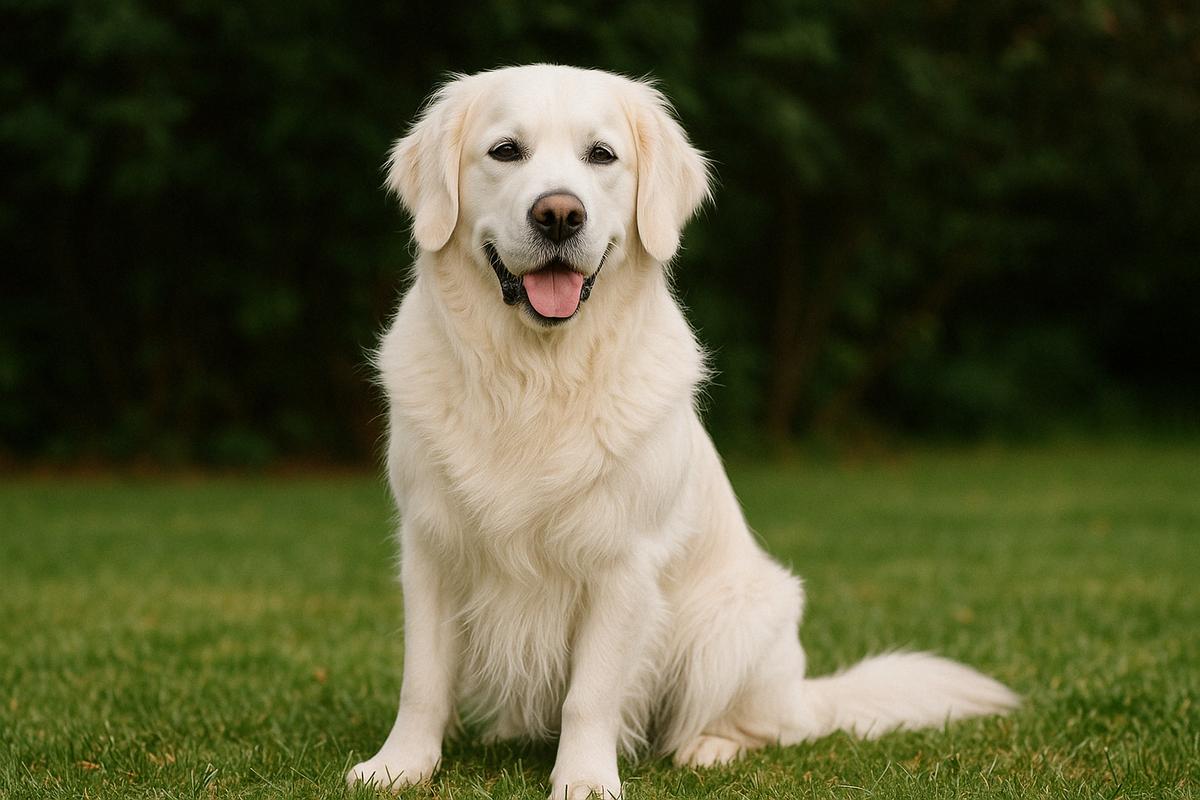
We paired the golden retriever photo with the two-character pet dance reference and requested a five-second vertical result in Seedance 2 Mini. The direction asked for a single dog, but the returned video retained an orange cat. We show the actual output as a two-animal example, rather than claiming the solo direction was followed.
- Model
- Seedance 2 Mini
- Length
- About 5 seconds
- Output
- 480p · Silent display
- Reference template
- Pet dance · Dual-character reference
- Generated on
- 2026-10-21
- Actual file dimensions
- 496 × 864
- Requested framing
- 9:16 vertical
This is a sample made by our team, not a customer result. Motion follows the reference in order but not frame by frame, and results vary with the photo you upload.
Make your own version
Upload your own photo, choose a dance setting and generate your own clip.
Motion reference video
The original dual-character reference is about 10 seconds. This five-second sample uses its opening movement. The result is a new AI interpretation and retains a cat companion.
Explore the photo-to-video workflow
A two-animal dance result from one golden retriever photo
This case combines one golden retriever photo with a dance reference containing two characters. The returned five-second AI pet video shows the dog with an orange cat companion. We publish it as a two-animal result because that is what the actual file contains. The original direction asked for a solo dog, so the retained cat is also an important limitation to disclose. It would be misleading to describe this sample as proof that a prompt reliably removes every extra character. The page lets you compare the input photo, the source reference and the generated clip directly, making the difference between requested character count and observed character count visible before you try the same template.
One pet photo does not define both animals
The only identity photo in this attempt is the golden retriever sitting on grass. It shows the intended main animal's face, coat, ears, paws and tail. There is no separate cat photo in the input set, so the orange companion should not be understood as a second uploaded pet whose likeness was preserved. Its presence is connected to the multi-character reference and the model's interpretation of the scene. For your own photo-to-video test, decide which animal is meant to be recognizable and use a clear, permitted image of that subject. If you need two specific pets to retain separate identities, this example alone does not establish that capability. A two-animal output and two independently controlled identities are different requirements.
The dual-character reference and its five-second opening
The original pet-dance reference is about ten seconds long and contains two visible performers. This output was requested at five seconds and follows the opening movement, so reference length and generated length are separate facts. The source preview on this page is labeled as a reference rather than a platform-generated result. In the live generator, selecting Pet dance uses the built-in short motion reference for that template. Compare the scene composition, the relationship between the characters and their broad movement with the result. Dual-reference generation means a photo and a video guide a newly generated scene; it does not mean every source performer will be replaced, preserved or removed exactly according to their screen position.
Try this photo-to-video setupSolo prompt intent versus the retained cat
The requested direction was to keep a single dog and remove other characters. The returned file did not fully follow that request: an orange cat remained beside the golden retriever. This makes the sample useful for judging character-count control rather than advertising perfect solo extraction. If you want to keep a companion, say which role should remain; if you want one performer, state that clearly and inspect the outcome. Neither instruction is a guarantee. This page summarizes the intent and result instead of publishing an invented exact prompt. It also does not imply that the tool currently offers a dedicated multi-character switch. Extra written direction can express a preference, while the reference composition can still influence the new scene.
Evaluate both animals across the complete result
Watch the full five seconds rather than judging the thumbnail. First compare the golden retriever with the input photo, then inspect whether the dog and cat stay visually distinct when they move near one another. Look for limbs crossing between bodies, changing fur edges, disappearing paws or a companion that changes size unexpectedly. These are useful review questions for any multi-character AI dance clip; they are not a claim that every listed defect appears here. The stored result is about 5.04 seconds, 496 by 864 pixels and silent. The requested settings were the 480p tier and vertical 9:16 framing. Reference audio is not included merely because a source preview can play sound. Judge identity, interaction, timing and audio as separate parts of the output.
Open the pet dance template from this case
The tool link on this page opens the generator with the pet scene and Pet dance motion selected. Upload your own permitted pet photo, check that the active reference card matches the one shown here, and review the live duration, resolution, framing and credit quote. New drafts default to five seconds; an existing saved draft may restore earlier values. The small result strip in the tool has a details link back to this case so you can compare the sample while choosing settings. Opening the template does not upload our golden retriever photo or automatically generate a paid video. Add a short note about the intended character count, submit only after checking the settings, and inspect the full returned clip before deciding whether to retry.
Try this photo-to-video setupWhen a two-animal dance is a useful example
A dog-and-cat dance can be a playful concept for a pet meme, a personal celebration edit or a short social video, provided its generated origin is clear. This case is especially useful when your source dance already contains more than one character. It shows why you should evaluate the reference composition as carefully as the pet photo. If your priority is a single animal following a human gesture, compare the golden retriever wedding sample. If you want to judge clothing and face preservation with an adult subject, compare the man-party and woman-garden cases. These internal comparisons help you select a suitable starting point without assuming that success in one setting proves reliable control of every animal, background or interaction in another.
Open the dog dance video generatorQuestions about this AI video sample
Were two animal photos uploaded for this result?
No. This attempt used one golden retriever photo and one dual-character video reference. The output retained a cat companion without a separate cat identity photo. It demonstrates a two-animal generated scene, not verified preservation of two uploaded pets. If two specific identities are essential to your project, do not treat this sample as evidence that both can be controlled independently.
Can I force the video to contain only one animal?
You can request a solo subject in the written direction, but this very example shows that an extra character can remain. A source clip with one clear performer may be easier to evaluate for a solo goal, although no result is guaranteed. Review the full output and compare character count, placement and interactions before deciding whether the result suits your purpose.
Is the two-animal sample a five-second silent video?
Yes. The published output is about 5.04 seconds and has no audio track. The source reference is about ten seconds, so its player duration should not be confused with the generated video length. The sample card and facts identify the requested five-second setup and silent presentation separately from the reference preview. Check both labels when comparing the media.
Does a different result automatically qualify for a refund?
A completed generation that differs artistically from a prompt is different from a technical task failure. Failed-task credit handling and cash-refund rules are also separate. Review the current pricing and policies before another attempt, identify the character-count or identity issue you want to change, and check the live quote. This case documents an imperfect result rather than promising a refund or a precise retry outcome.